How HubSpot Breeze Credits Work: Rates, Allowances & Traps (2026)
You can find HubSpot's credit rates. You can find your monthly allowance. What you cannot easily find is the sentence that connects them — so most...
6 min read
Clwyd Probert
:
Updated on June 4, 2026
Artificial intelligence (AI) has long been a topic of fascination and speculation, with countless movies and books imagining a future where machines rival or surpass human intelligence. While that future may still be some ways off, recent developments in AI have brought us closer than ever before. In this article, we'll explore some of the latest updates in AI, including OpenAI's ChatGPT and Whisper APIs, Microsoft's Bing chatbot, and the potential dangers and benefits of AI.

OpenAI, a research organization co-founded by Elon Musk, recently made headlines with the launch of their ChatGPT AI and an update to their Whisper APIs. The ChatGPT AI is a language model API that uses machine learning to generate human-like responses to prompts. Previously, access to ChatGPT was limited to a web browser interface, but now developers can access the API and integrate it into their applications. This change has led to a significant reduction in cost, making it more accessible to developers and potentially increasing its use in various applications.
While the potential benefits of ChatGPT are numerous, there are also concerns about the implications for developers and the general public. One such concern is the importance of context in shaping the AI's responses. Additionally, there is a potential for corporations to use this technology to replace customer support teams, which could have significant implications for employment.
OpenAI's Whisper APIs are another recent development that has garnered attention. The Whisper APIs are speech-to-text models that use machine learning to transcribe spoken language into text. The potential applications of this technology are vast, from improving accessibility for the hearing impaired to enhancing voice recognition software.
Microsoft's Bing chatbot is another example of the rapid evolution of AI technology. The company has updated the chatbot to include a new concept of "choose a conversation style," which includes more creative, more balanced, and more precise options. While this update has improved the chatbot's accuracy, there is still room for improvement in terms of speed of response.
The chatbot has a limit of six interactions and will shut down after that. However, recent research has explored the idea of finding out what the chatbot actually knows versus what it says, suggesting that the same models will be able to provide different perspectives on the data over time based on how users interact with it.
One of the most exciting potential applications of AI is in software development. The idea of using AI to democratize software development and allow anyone to solve their own custom problems is an alluring one. However, there are concerns that AI startups are just GPT wrappers and that investors are pouring too much money into them. Despite these concerns, AI startups that are adding AI to existing applications or creating single applications that do one thing very well are gaining traction.
Another area where AI is having a significant impact is in established companies versus new AI companies. There is a question as to whether established companies can simply add AI to accelerate their growth or if new AI companies will lead the way. The potential for AI to be used in knowledge-based applications, such as chatbots, is significant, and the importance of creating a unique user interface and process layer to solve problems efficiently cannot be overstated.
The potential for multimodal applications, such as interpreting images and audio, is also significant, and AI could be used in physical devices like children's toys. However, there are potential risks associated with AI, and closed-loop systems are necessary to mitigate these risks.
The impact of AI on society is perhaps the most significant area of concern. The rate of change in the field is incredibly fast, and the accessibility of AI is now available to everyone through their devices. While AI has the potential to be as profound as the internet itself, there are potential risks associated with AI that need to be considered. One such concern is the development of general intelligence, which refers to an AI's ability to solve any problem, similar to humans. The development of general intelligence could lead to the creation of an entity that is smarter than humans and has unlimited resources and time. There is also the potential for AI to become more intelligent than humans and manipulate them.

Regulation of AI is necessary to prevent it from threatening human existence. Supporting open source models and data sets is important to promote alternatives to mainstream AI. Other AI systems are necessary to help humans understand its outputs, and closed-loop systems are necessary to mitigate potential risks.
You can find HubSpot's credit rates. You can find your monthly allowance. What you cannot easily find is the sentence that connects them — so most...
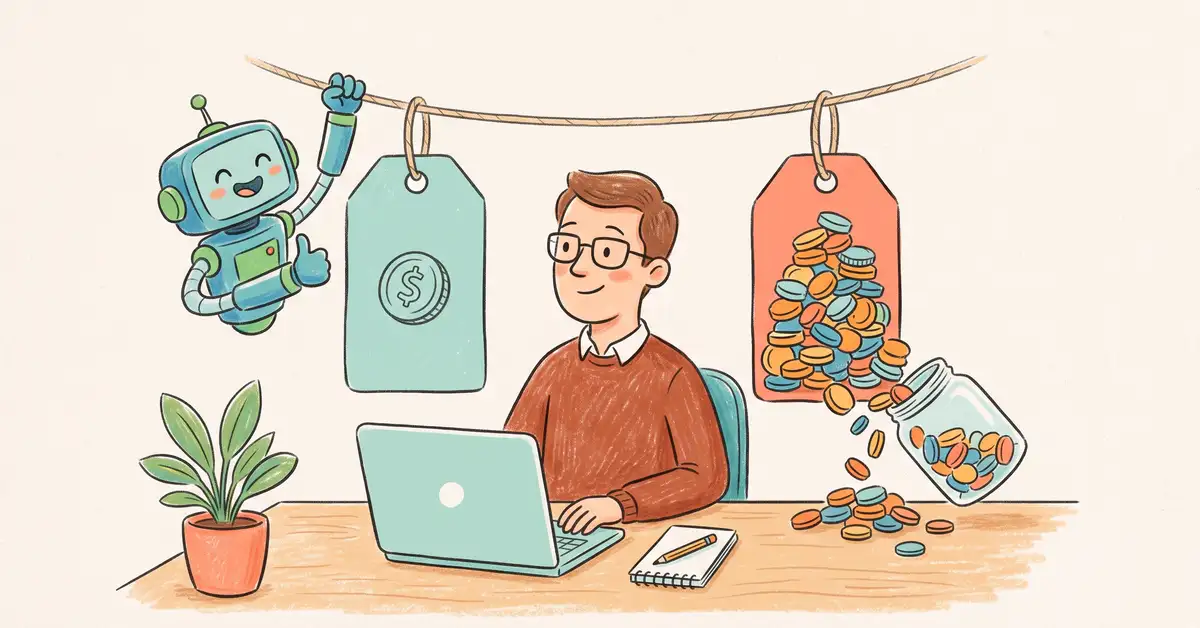
Two teams buy the same AI marketing tool on the same day. One pays $59 a month all year. The other opens an invoice in March for four times what they...
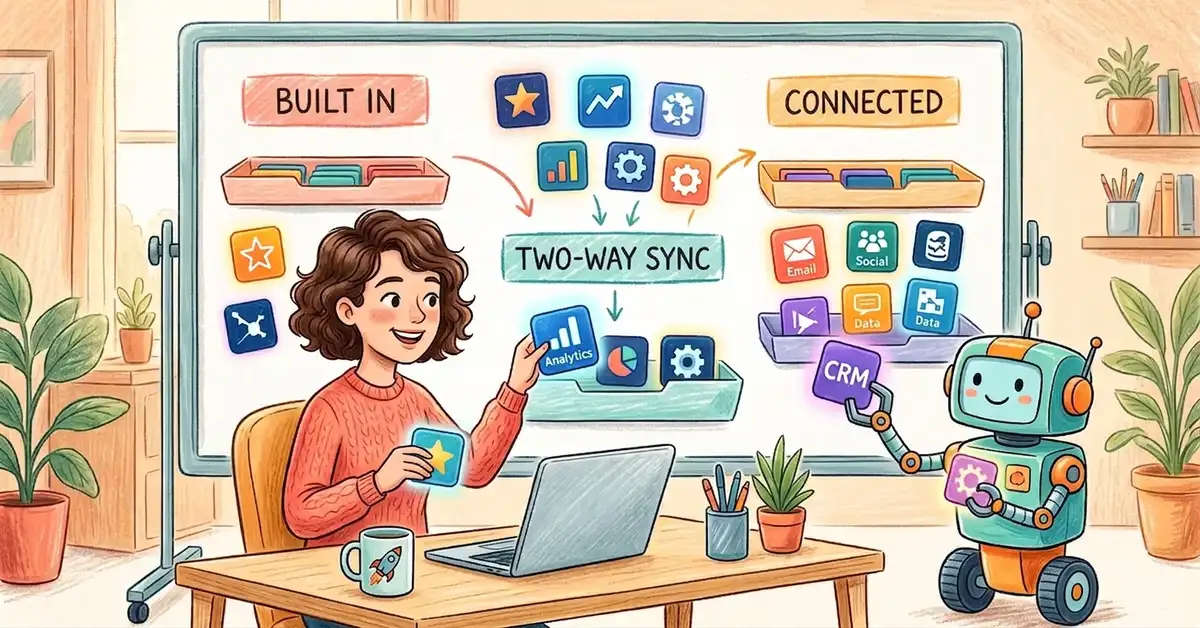
Every AI marketing tool on the market claims to "integrate with HubSpot". Most of them mean something much smaller than you think, and you usually...
1 min read
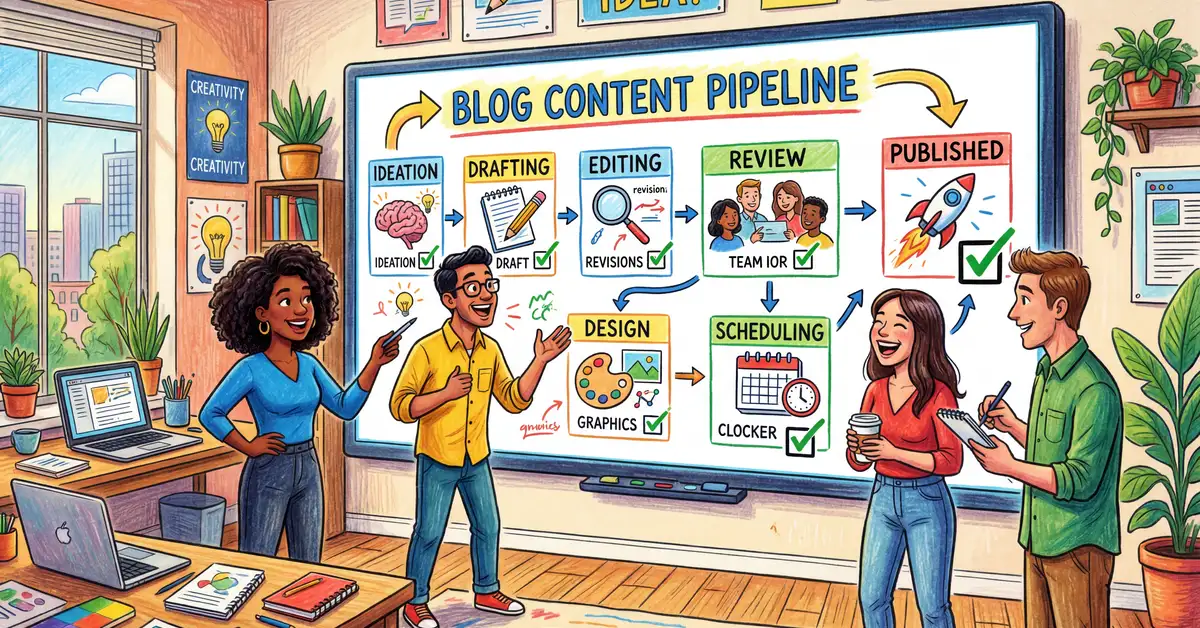
Key Takeaway Most AI blog writers create drafts. That is where they stop. You still spend 40–50% of your time on images, SEO metadata, CMS...
1 min read
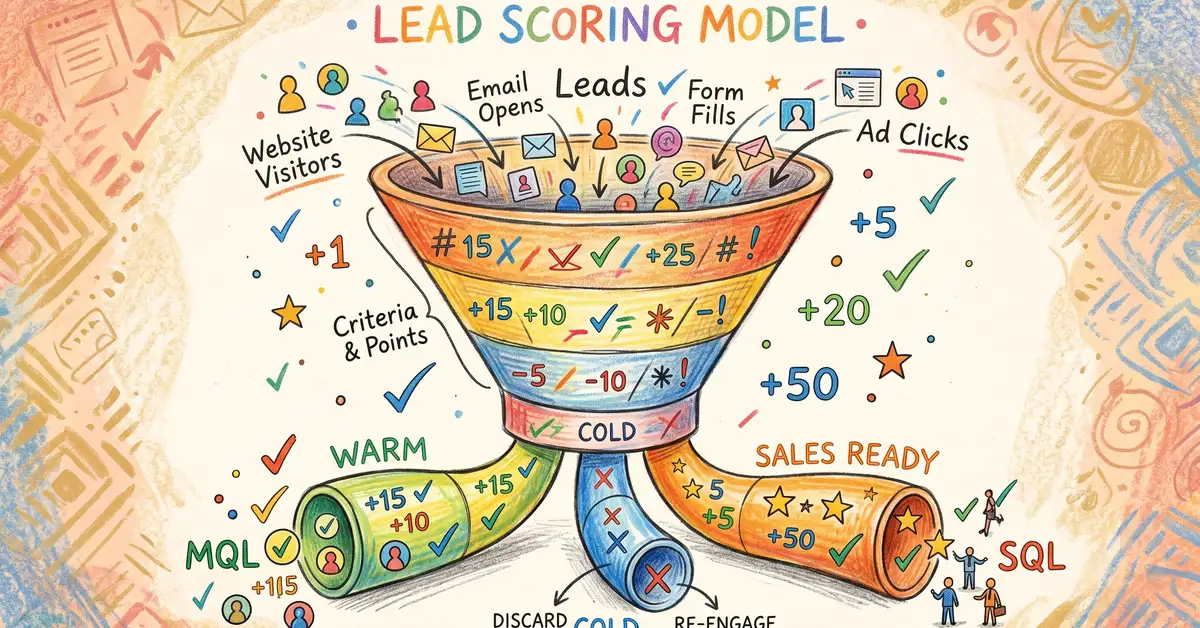
Organisations that implement structured lead scoring see 77% higher lead generation ROI than those that do not score leads. Yet most B2B teams still...
1 min read
Contents 1. The AI Revolution and Its Impact on Society2. The Importance of Economic Growth and Inclusivity3. The American Equity Fund: A Solution...